 hanna wolff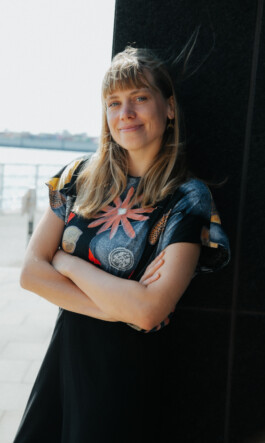
Hi, I'm Hanna. I'm a UX and UI designer, and what matters most to me is understanding the real problem before designing a solution for it.
That instinct goes back further than I sometimes realise. I studied graphic design, and toward the end I focused on social design. For my thesis I spent months in a neighbourhood in Groningen, not designing anything at first, but talking to residents, mapping how they moved through their area, and trying to understand how they actually experienced the place they lived in. I was fascinated by the idea that design could start with people and their needs, rather than with a finished solution. Looking back, that was my first taste of user research, even if I didn't call it that yet.
After my studies I worked as a freelance designer for a few years, doing corporate and web design for all kinds of clients, from small organisations and initiatives to businesses and public sector projects. Then I joined MissionMe, designing for mobile apps in sleep, mindfulness and wellbeing. I set up the design system there and became the person holding the design side together, work that had been spread across different people before.
Once that was in place, my focus kept shifting toward UX. We were already doing user interviews regularly, but I knew there was more to it, and I wanted to go deeper. So I took a training program to sharpen my research skills and read Teresa Torres' work on continuous discovery, which put words to exactly how I wanted to work. When I later joined OMR Reviews, I got to put it into practice right away: building a user research practice from the ground up, with a continuous discovery process and regular customer interviews. In a way, I've come back to where I started: putting the people a product is for at the centre of the work.
What I care about most is working with evidence instead of assumptions. A polished screen means little if it solves the wrong problem, so I let insights guide my decisions instead of guesswork. Alongside that, AI has become a real part of how I work. I use it to prototype and iterate quickly, to draft and explore ideas, and to take care of a lot of the detail work, which frees up time for research and the bigger, harder problems. I was also part of the team that made our design system AI-readable, and I'm actively growing into working more closely with code and AI-assisted development, because I think that's where good product design is heading.
I do my best work with other people around me, thinking things through out loud and building on each other's ideas until something clicks. Good design, to me, is rarely a solo effort. And when I'm not working, you'll usually find me outside, somewhere in nature and offline for a while.